
11 June 2026
Perspectives from ComfortDelGro’s Global Leadership on Mobility Through 2026
Introduction: The Signals Reshaping Mobility
Across the world, mobility systems are entering a decisive new chapter. Cities, businesses and commuters are asking mobility operators to move more people, more reliably and more sustainably – even as networks face rising complexity, higher passenger expectations and structural manpower constraints.
At the same time, artificial intelligence (AI) has reached a new level of operational maturity. What was once confined to pilots and isolated used cases is now being embedded directly into live networks, shaping how services are planned, how fleets are deployed, how incidents are managed and how journeys adapt in real time.
As mobility enters this next phase, these forces are converging. AI is no longer simply sitting alongside mobility operations. It is increasingly acting within them, providing the intelligence that allows large, interconnected systems to anticipate, adapt and recover at scale.
This article brings together perspectives from leaders across ComfortDelGro’s global businesses to examine how this shift is unfolding and what it means for operators, cities and the communities we serve. Together, these perspectives form a foundation for a broader conversation on how intelligent systems will continue to reshape mobility operations in the years ahead.
Foreword: The Next Phase of Mobility
Cheng Siak Kian, Group CEO

Mobility has always evolved in response to changing urban, economic and social needs. Expectations are rising for mobility services that are not only reliable, but also resilient and responsive. Today, that evolution is being shaped by predictive intelligence across public transport networks and point-to-point services – the ability of these systems to look further ahead, respond more precisely and operate more safely in the face of complexity.
For ComfortDelGro, this trajectory is not new. More than two decades ago, we were among the earliest operators of fully automated rail systems. Since then, intelligent capabilities have grown steadily across our businesses — from predictive maintenance and network optimisation in mass transit, to AI-enabled dispatch, fleet orchestration and contingency planning in the point-to-point mobility segment.
What makes this moment different from the past is the scale and depth of integration now required. Cities, customers and businesses can no longer rely on incremental improvement or isolated innovation. Mobility systems today require intelligence woven through every layer – across planning, operations, resilience and inclusion – enabling operators to anticipate change, manage disruption and deliver consistent service under increasingly dynamic conditions.
As AI moves from experimentation into live deployment, our responsibility as operators becomes even clearer: to ensure its application is safe, trusted and designed for public value. This applies not only to public transport networks, but equally to point-to-point and network services where reliability, customer confidence and operational resilience are essential. ComfortDelGro’s multi-modal footprint and operating experience across diverse markets give us a vantage point on how this transformation is taking shape in practice.

AI for Public Transport Excellence: From Preventive to Predictive Operations
Jeffrey Sim, CEO, SBS Transit

Trend
AI is now shifting public transport operations from preventive routines and static timetable-based planning to predictive, system-wide optimisation — elevating reliability, safety and service recovery across rail and bus networks.
Why this shift is accelerating
Public transport systems operate with razor-thin margins for error. Dense networks, ageing assets, rising commuter expectations and tighter operating windows mean that traditional maintenance and planning approaches are no longer sufficient. AI enables earlier detection of emerging risks, more targeted interventions and faster responses before service reliability is affected.
How this is taking shape
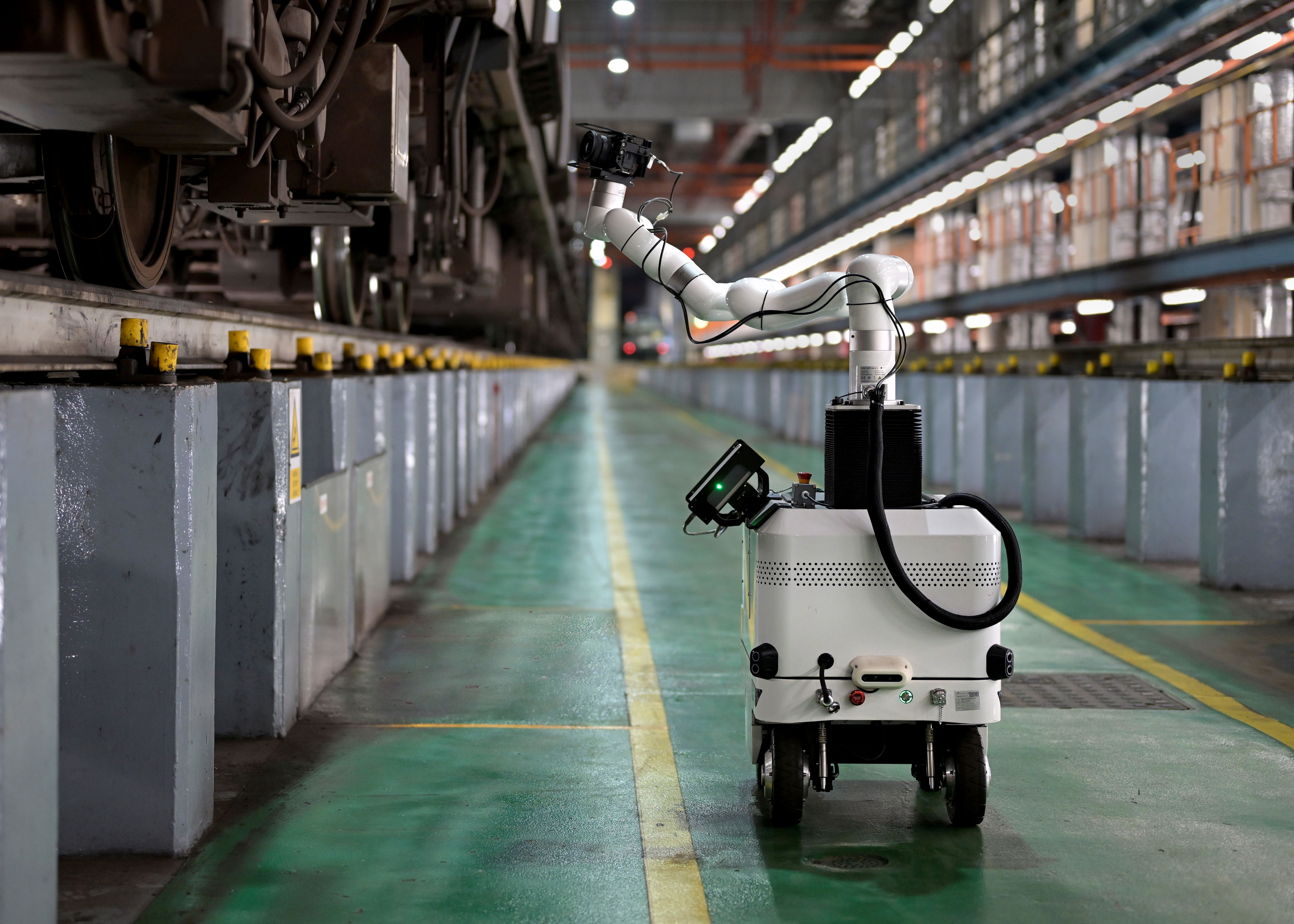
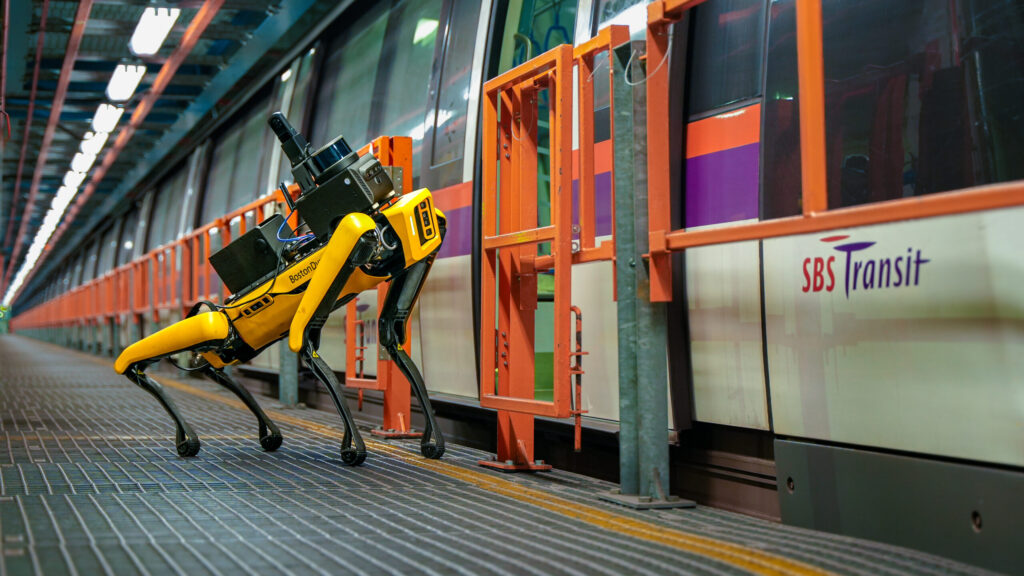
AI-enabled platforms are increasingly consolidating data across rolling stock, signalling and maintenance systems to identify anomalies and predict potential failures before service is affected. Digital twins support simulation, incident analysis and controlled testing of upgrades. In bus operations, AI is informing headway resilience, driver assistance and network regulation through video analytics and real-time pattern detection.
In dense urban environments such as Singapore, AI is also supporting real-time operational decisions – from optimising how different bus models and driving profiles are matched to specific service routes, to supporting bus bridging operations during rail disruptions, and providing controllers with early warnings and recommended interventions. These capabilities help operations teams anticipate issues earlier, deploy resources more precisely and maintain service continuity under highly constrained conditions.
What this means for networks
In the years ahead, public transport networks will increasingly be able to anticipate disruptions and recalibrate dynamically. This will translate into fewer disruptions, faster recovery and more consistent journeys — reinforcing public transport as the dependable backbone of urban mobility.
AI for On-Demand and Autonomous Mobility: From Pilots to Early Operations
Liam Griffin, Global Chief Point-to-Point Mobility Officer

Trend
Autonomous mobility will move from pilot programmes to early-stage operational and revenue-generating services in selected markets, supported by AI-driven perception, safety logic and fleet orchestration working alongside human-driven fleets.
Why this shift is happening now
AI has already reshaped on-demand mobility, improving matching efficiency, forecast accuracy and customer experience across point-to-point platforms.
Operators are embedding AI and data capabilities more deeply within dispatch and operations team. Predictive models are informing vehicle positioning, demand forecasting and shift planning – moving fleet management from reactive decision-making to anticipatory, model-driven orchestration.
Autonomous mobility builds on this foundation. Advances in perception models, simulation environments and safety validation are accelerating technical readiness, while regulatory frameworks become more defined and structured.
From pilots to practice
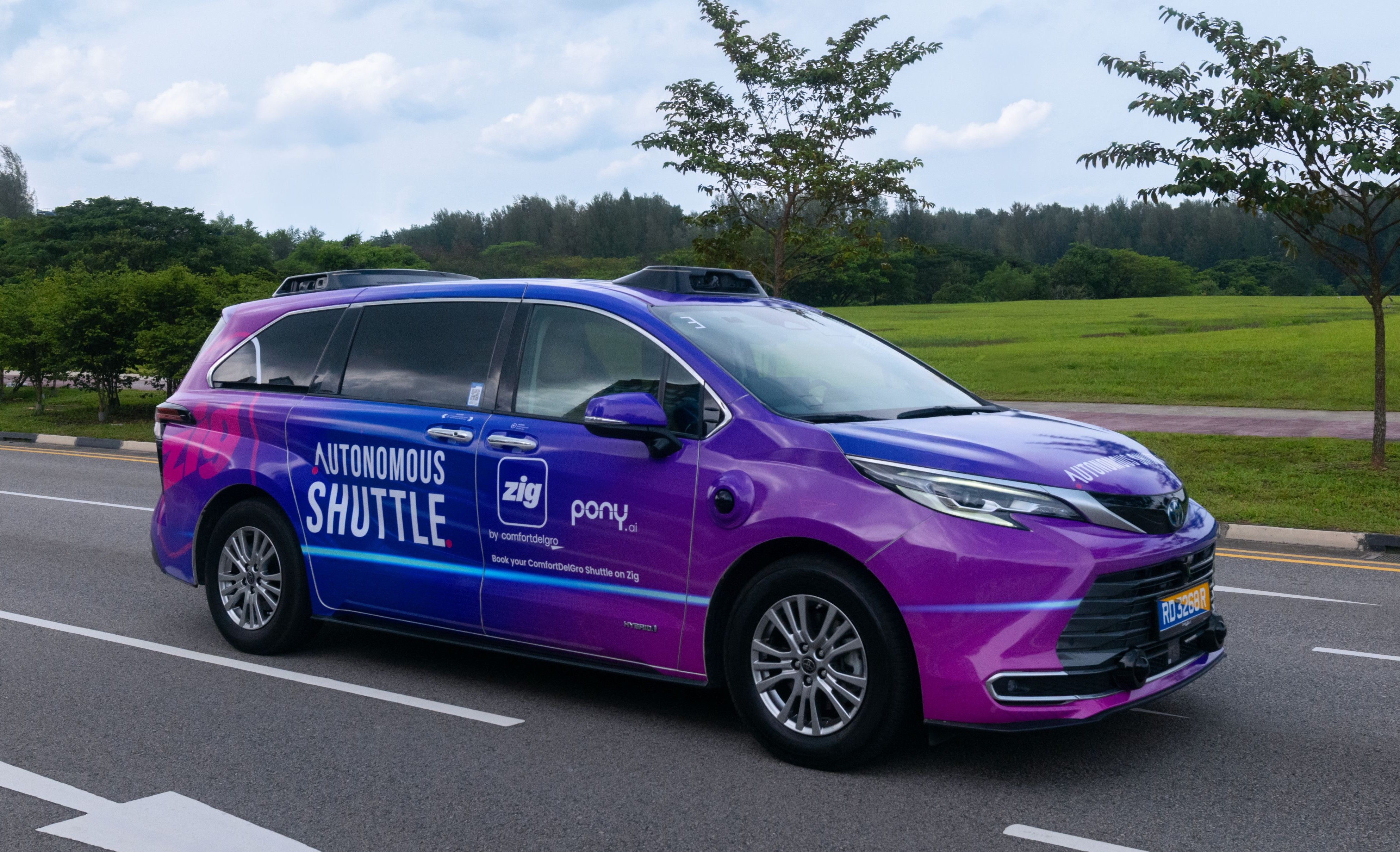
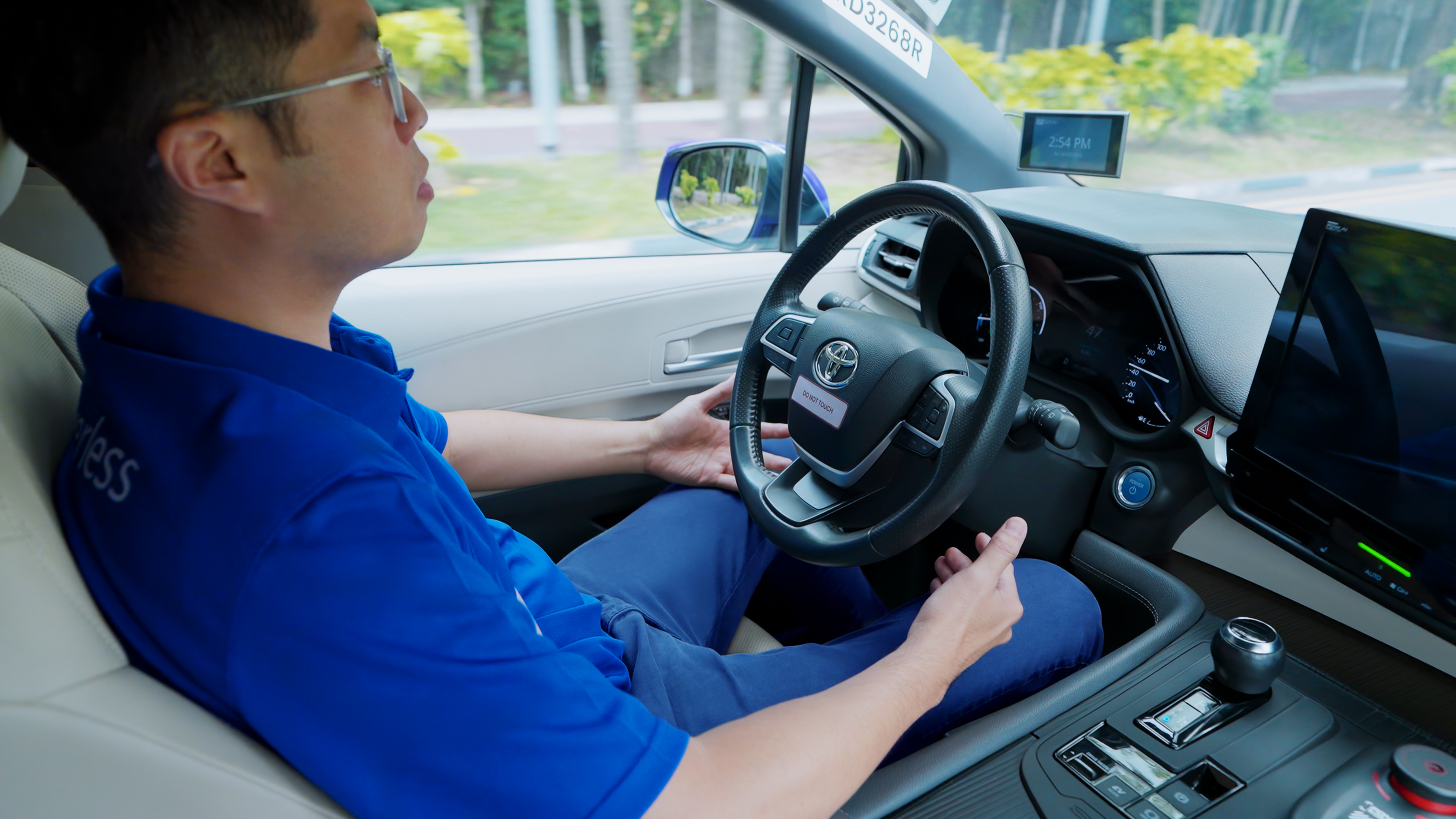
Operational learnings from early robotaxi trials are informing safety evaluation, remote assistance protocols and fleet management strategies. In Singapore, upcoming autonomous shuttle services will further test how AVs integrate into existing public transport networks and everyday commuter journeys.
In parallel, AI-driven enhancements within point-to-point platforms – including mixed-fleet optimisation, predictive positioning and capacity balancing – are layering the groundwork for hybrid operations combining human-driven and autonomous vehicles within a single service ecosystem.
For operators with large, mixed fleets, the real shift lies not in autonomy alone, but in the ability to orchestrate human-driven and autonomous vehicles within a single operational framework – ensuring safety, reliability and customer experience remain consistent as new capabilities are introduced.
What this means for cities
Autonomous mobility will not replace existing services; it will extend capability, improve accessibility and enable new operating models. Rather than functioning as standalone experiments, AVs should be seen as a complementary layer within broader mobility ecosystems, operating alongside human-driven fleets in integrated service environments.
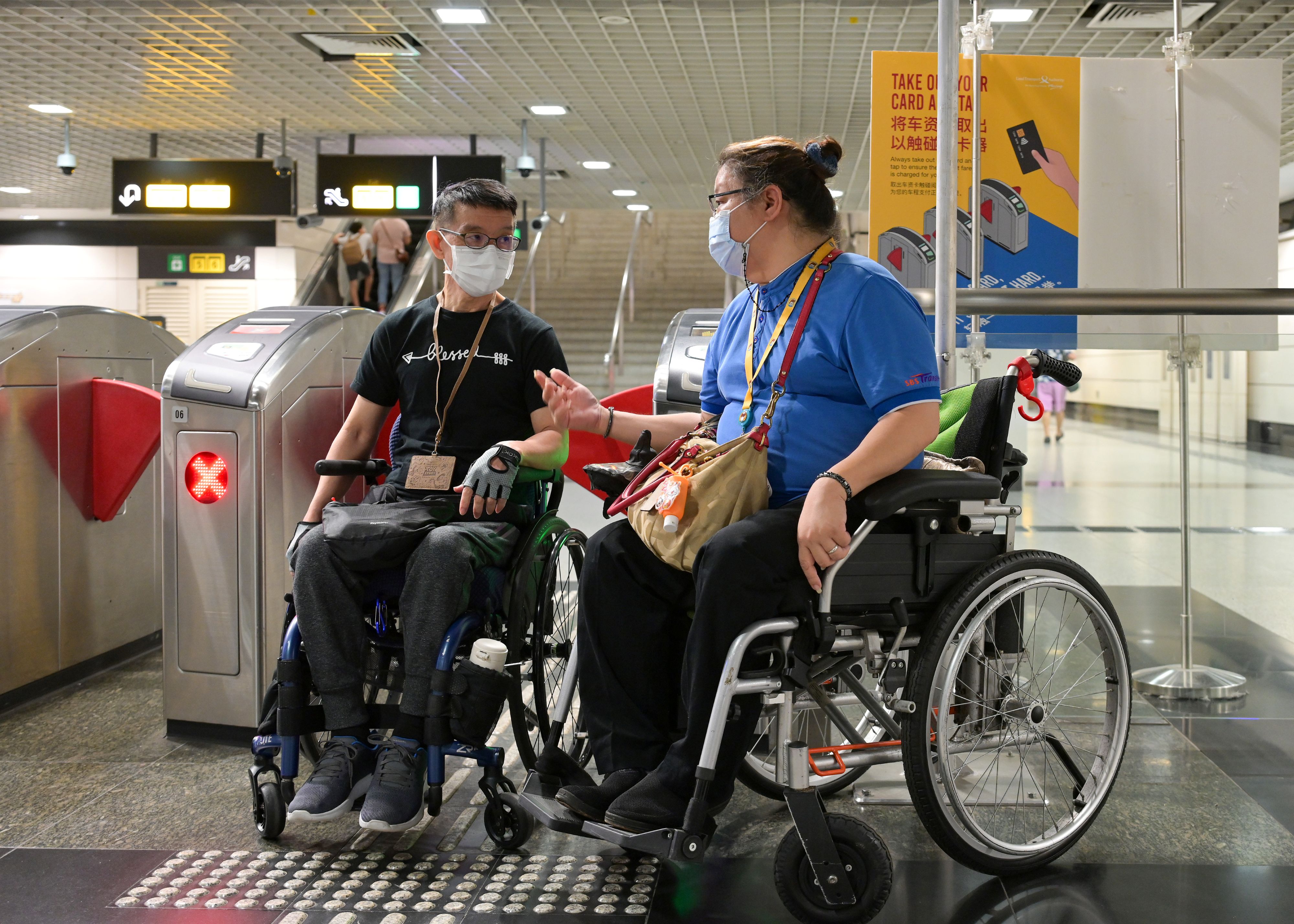
AI for Inclusive and Accessible Networks: Designing Mobility for All
Peter Lodge, Chief Business Development Officer (Bus and Rail) and Head of International Rail

Trend
AI will become a key enabler of more inclusive and accessible mobility networks, helping planners and operators to identify service gaps, target improvements and design systems that work for a broader range of users.
Why inclusion is becoming central
Governments are placing stronger emphasis on equitable access to mobility, recognising its role in social participation and economic opportunity. Yet looking only at overall system performance often mask the lived experiences of underserved groups, including seniors, low-income communities and users with accessibility needs.
How AI is reshaping network design
AI-based mobility analytics enable planners to go beyond aggregate performance metrics and understand travel patterns at a more granular, demographic-sensitive level. Multimodal modelling can help determine how rail, bus and on-demand services can be better integrated to improve first- and last-mile connectivity. Digital tools increasingly simulate how network changes affect seniors, families and persons with disabilities.
In practice, AI is also being applied across customer experience and network monitoring functions – including virtual assistants, passenger information tools and video analytics – helping operators identify unmet needs that are not always visible in system-wide averages. These insights allow operators to design targeted interventions that better support seniors, persons with disabilities and communities with more complex mobility needs.
What this means for communities
Inclusion will become a core design principle rather than an afterthought. AI can help ensure mobility networks are not only efficient but equitable – allowing more people to access transportation in ways that are safe, reliable and dignified.
AI for Disruption Management and Resilience: From Reaction to Anticipation
Matthew Ratcliffe, Chief Operating Officer, CMAC Group

Trend
Disruption management will evolve from purely reactive coordination to more predictive, AI-led orchestration, enabling faster recovery, safer operations and stronger resilience across interconnected transport networks – with human expertise running central to delivery.
Why this matters more than ever
As transport systems grow more interconnected, disruptions propagate faster and carry greater operational and societal consequences. Manual coordination and reactive processes alone often struggle to keep pace with incident escalation. AI can support earlier risk detection, real-time decision support and improved coordination across operators, modes and agencies.
How this is taking shape
AI-driven analytics are already identifying anomalies and early signals of disruption, helping operators intervene before incidents escalate. Intelligent orchestration platforms can recommend alternative routings, deploy contingency resources and can support resourcing and communication decisions. In practice, these capabilities work most effectively when paired with human-led operations that understand local conditions, regulatory environments and cultural differences across cities and regions.
What this means for operators
Resilience will increasingly be defined by anticipation rather than reaction. AI-enabled disruption management can help operators scale complex operations, increase capability and improve speed of response. By accelerating data processing and automating routine workflows, AI enables faster, more informed decision-making, freeing up human expertise to focus on nuanced, high-impact complexities that require contextual judgement to maintain trust, safety and service continuity. The result is shorter time-to-decision, improved operational efficiency, and greater organisational agility.

Conclusion: From Intelligence to Impact
Taken together, these perspectives illustrate a clear inflection point: AI is no longer an emerging capability in mobility. It is becoming the operating backbone that strengthens reliability, enhances inclusion and enables systems to adapt in real time.
As mobility enters its next phase, differentiation will come from the ability to integrate intelligence across planning, operations, resilience and accessibility – not from isolated experimentation. For cities, this presents new opportunities to deliver safer, more reliable and more equitable mobility. For operators, it demands new capabilities, stronger governance and long-term responsibility.
At ComfortDelGro, our purpose — Mobility for a Better Future, guides how we apply AI across our networks. As intelligence becomes embedded into the foundations of modern mobility, our commitment remains constant: to use it thoughtfully, responsibly and in service of the communities who rely on us every day.