
30 April 2026
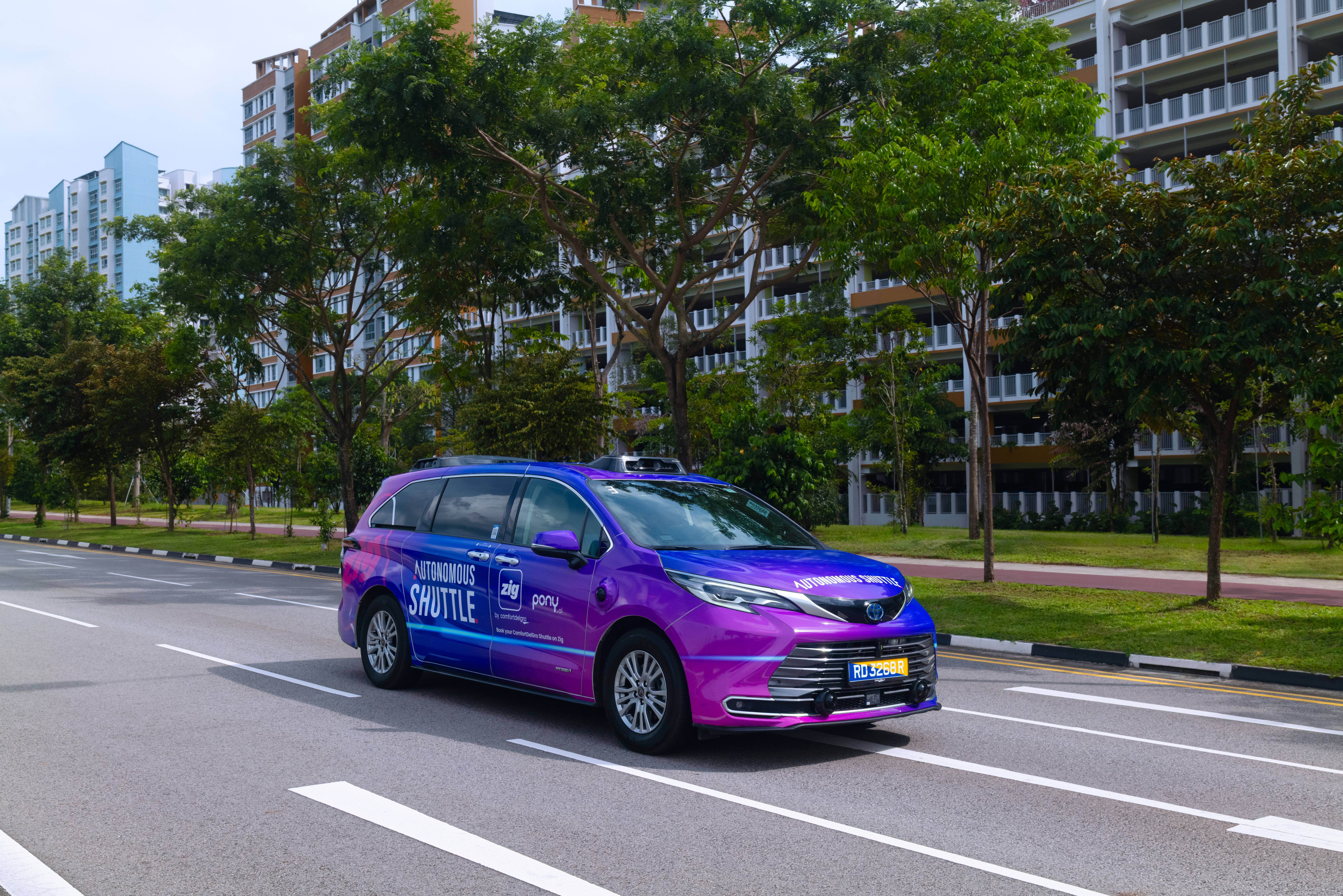
Autonomous vehicles (AVs) are reshaping urban mobility. Across cities, autonomous systems are being refined and prepared for real-world deployment. Yet, behind every familiarisation run lies not just software and sensors – but people.
As AVs move from concept to real-world deployment, a disciplined human-machine operating model remains central. At ComfortDelGro, autonomous mobility is approached as a step-by-step journey, where people and technology evolve together through deliberate and responsible familiarisation activities.
Why familiarisation is needed
Autonomous systems are typically designed and tuned for the road environments where they are first deployed. When introduced into Singapore, the same system must adapt to different traffic patterns, junction behaviour and local driving norms.
Familiarisation runs allow the system to operate within these conditions in a structured and supervised manner. Safety Operators remain actively involved throughout this process, providing operational inputs and helping to localise the system so that it can operate safely and intuitively within Singapore’s road environment.
The people behind the system
Safety Operators are trained professionals who support autonomous AV familiarisation activities on the ground. Their role bridges the gap between system data and real-world road conditions, ensuring that technology and human judgement work together effectively.
They monitor autonomous vehicle systems during operation, maintain constant situational awareness, observe the surrounding road environment and take manual control when required. Beyond the drive, they conduct pre- and post-run vehicle checks, coordinate with field teams to resolve operational issues, and document performance data and anomalies for further analysis.
Familiarisation is also about understanding how systems respond to real traffic environments.
For example, if an AV approaches an uncontrolled junction too cautiously – causing hesitation that affects surrounding traffic flow – operators document the observation. Technical teams then review and refine system parameters to better align with local driving behaviour, while maintaining safety standards.
These inputs support continuous system refinement and contribute to a smoother, more intuitive ride experience. Through this structured feedback loop, operational experience becomes system learning.
How Safety Operators are trained
Working alongside autonomous systems requires more than technical familiarity – it demands disciplined preparation and operational judgement.
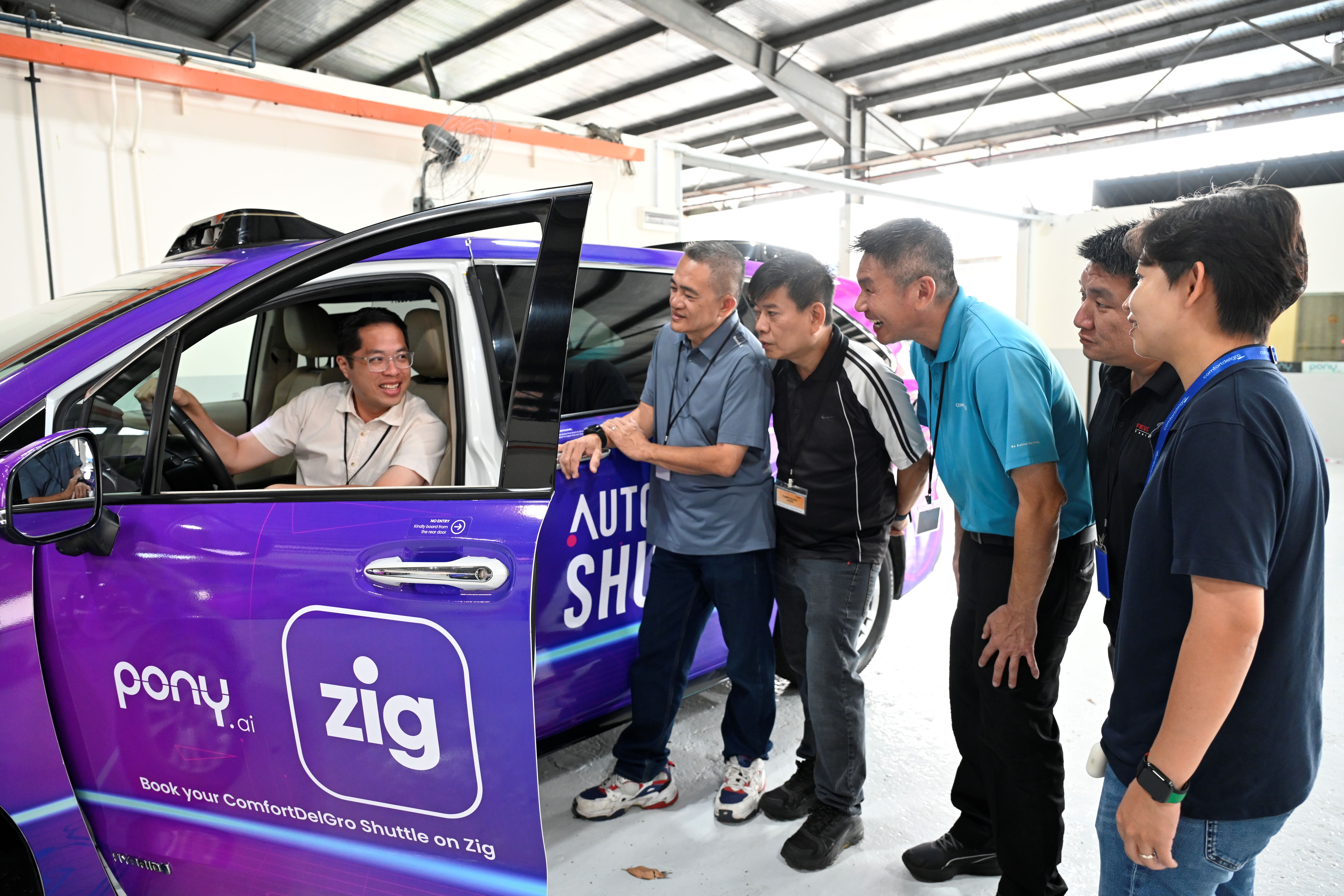
ComfortDelGro’s Safety Operators undergo structured training programmes designed to build both technical understanding and on-road readiness. This includes:
- System and technology familiarisation
- Practical, on-road operational training
- Daily toolbox briefings prior to driving activities
- On-board supervision by qualified operations supervisors
Capabilities are continuously strengthened through ongoing quality assurance measures, such as in-cabin video reviews and specialised refresher training led by experienced instructors.
What it takes to become a Safety Operator
While driving experience is important, selection focuses on attributes beyond that. Safety Operators demonstrate:
- Strong situational awareness and hazard anticipation
- Ability to follow structured operating procedures
- Clear communication and documentation skills
- Familiarity with vehicle systems or emerging mobility technologies
These capabilities position them to work effectively alongside autonomous systems in live road environments.
Career pathways in autonomous mobility
As autonomous mobility evolves, new specialised roles are emerging across fleet operations, systems supervision, training and mobility operations management.
Safety Operator roles provide early exposure to autonomous technologies and operational frameworks, forming part of a broader workforce transition as the transport sector evolves alongside new mobility technologies.
A day in AV familiarisation
Familiarisation activities begin well before the vehicle moves.
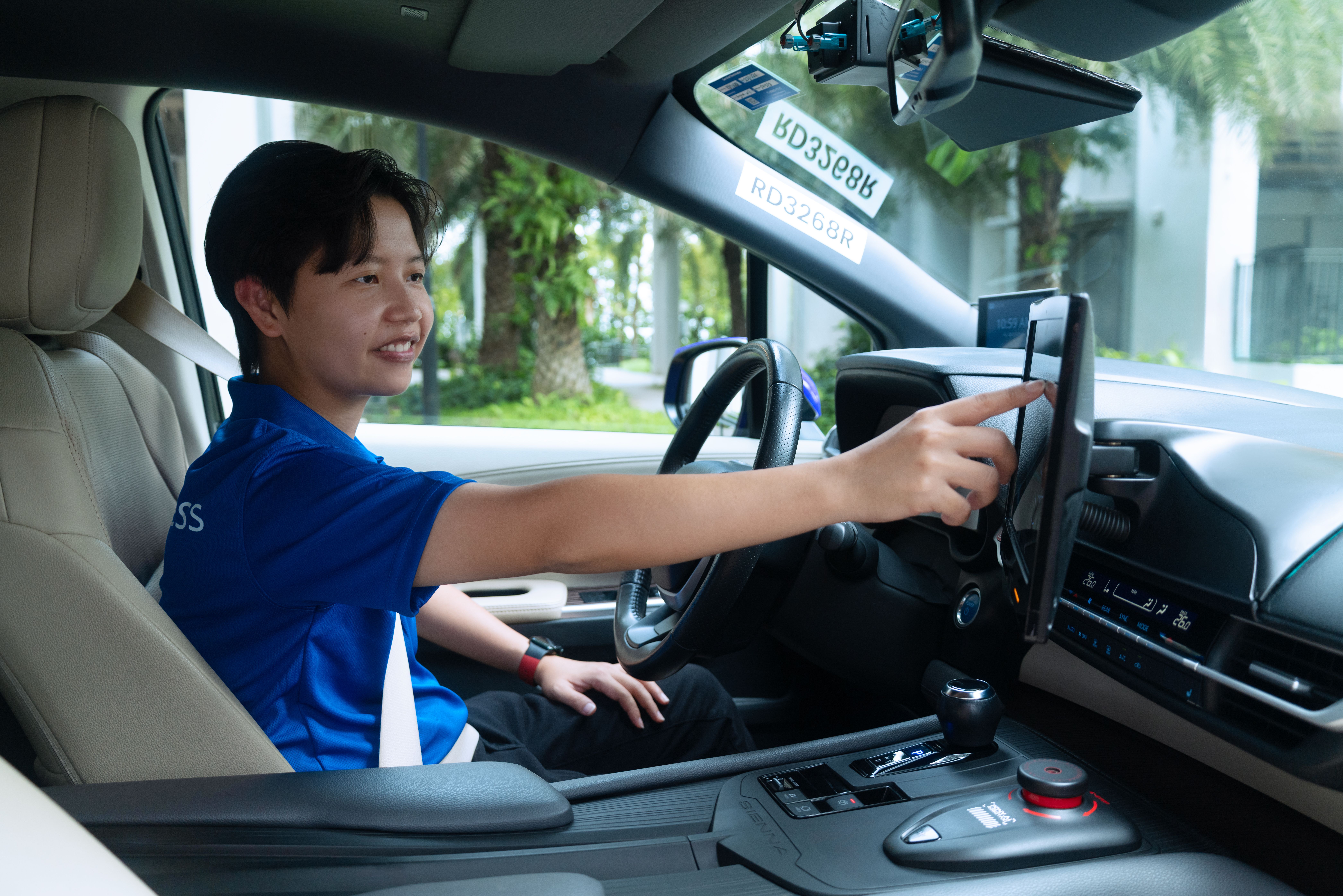
Safety Operators review route conditions, conduct system checks and prepare to work in tandem with the autonomous system. During operations, they interpret live traffic conditions, monitor system behaviour and remain ready to intervene when required.
Their work combines operational experience, technical understanding and collaborative oversight, supported by wider team supervision and review processes.
People as a key part of the autonomous mobility journey
Autonomous mobility progresses through structured familiarisation, continuous refinement and close collaboration between people and technology.
Human oversight continues to play an important role, ensuring that deployment remains grounded in real-world insight and operational experience.
By combining technological innovation with disciplined operational expertise, autonomous mobility moves forward thoughtfully and progressively – with people firmly in the loop, advancing Mobility for a Better Future.