
19 March 2026
How ComfortDelGro’s rail business elevates customer experience and delivers social value for communities
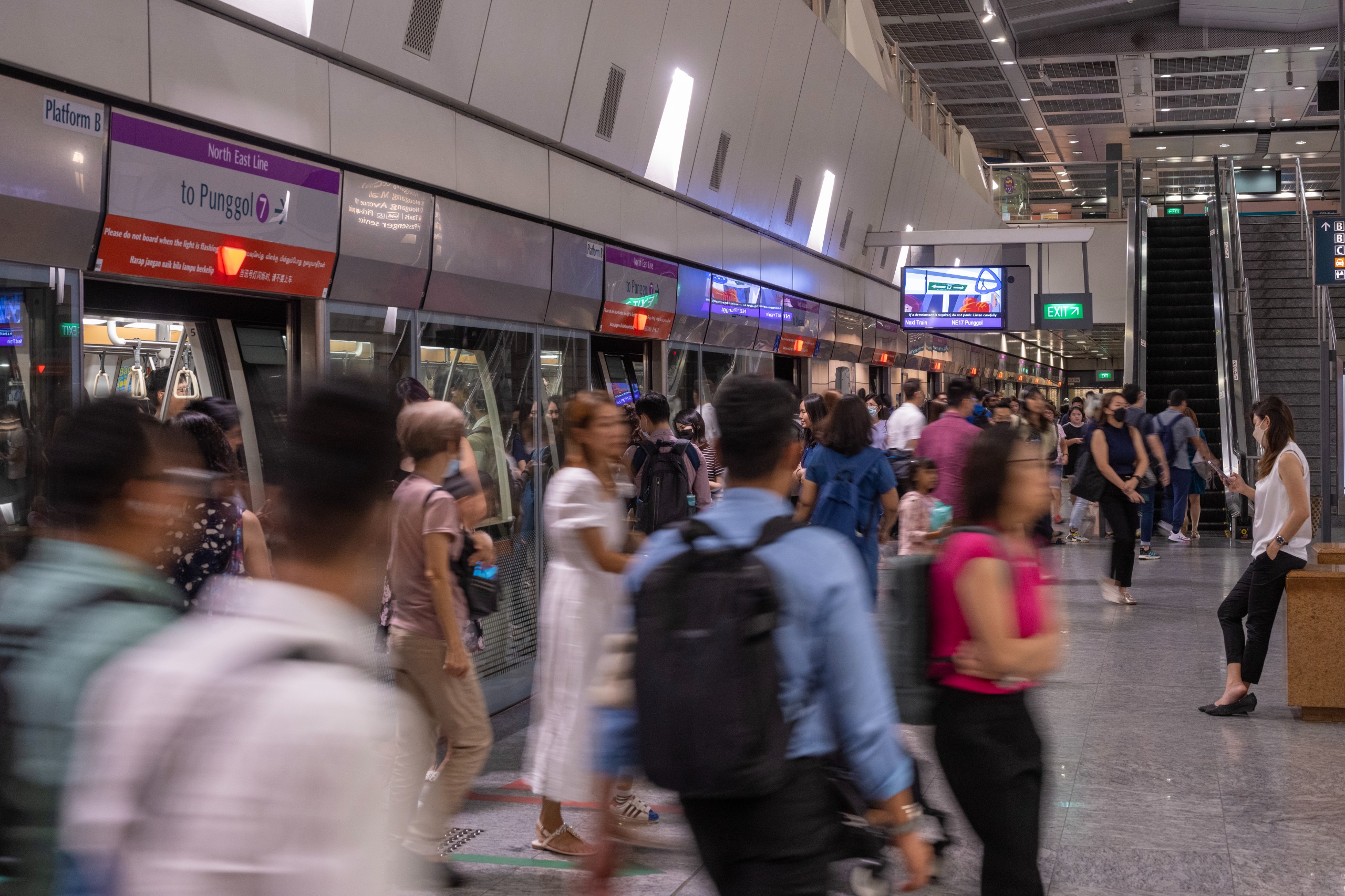
For decades, public transport systems have been designed primarily for efficiency – moving large numbers of people quickly, safely and reliably. Today, that foundation is being reshaped.
Ageing populations, rising social inequalities, rapidly expanding urban centres and changing expectations of public services are placing new pressures on transport networks worldwide, prompting Public Transport Authorities (PTAs) to rethink how mobility is designed and delivered.
Increasingly, efficiency alone is no longer enough. Transport systems worldwide are also expected to be equitable, human-centred and responsive to the lived experiences of diverse communities. Drawing on more than two decades of rail operations, ComfortDelGro has developed an approach to customer centricity that blends operational discipline with innovation, empathy and a nuanced understanding of local community needs. In this context, customer excellence is no longer viewed as a peripheral aspiration – it is a strategic capability for transport systems worldwide.
Singapore provides a powerful case study of how this philosophy translates into practice. Under the Land Transport Authority’s 2040 Master Plan, the city envisions a transport system where journeys are not only fast and reliable, but also barrier-free, inclusive and designed to support independence, dignity and wellbeing. As a long-standing partner in Singapore’s public transport ecosystem, ComfortDelGro has played a key role in bringing this vision to life and translating its principles to rail operations overseas.
CARES, the driving philosophy
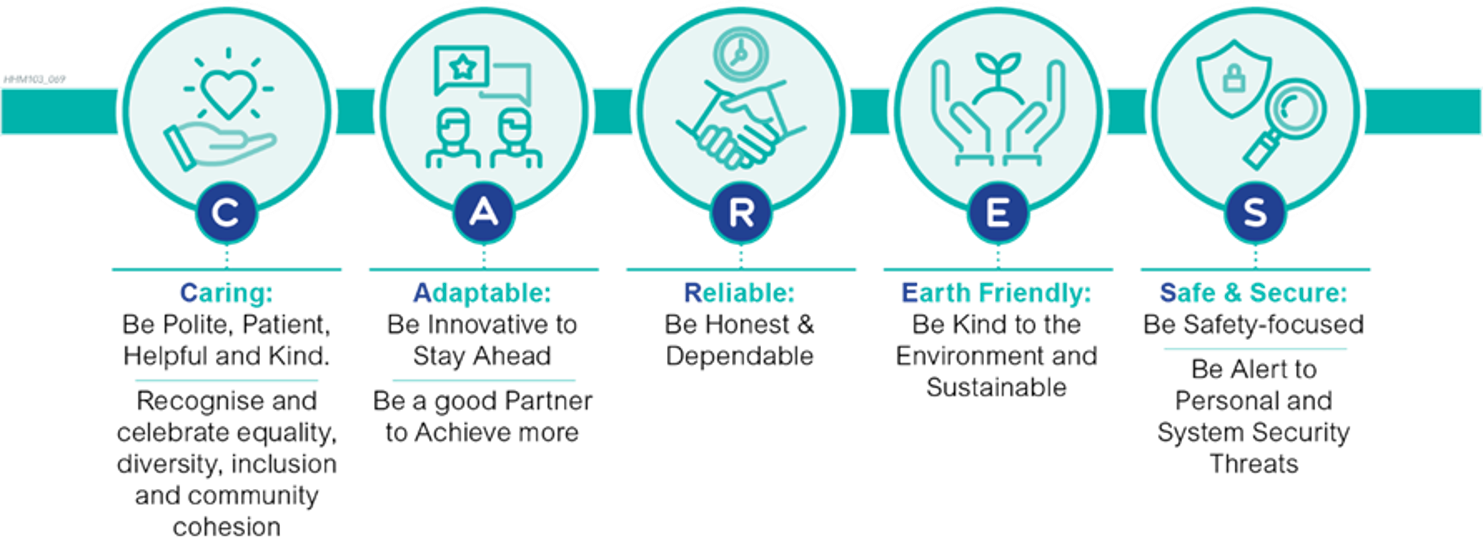
At the core of ComfortDelGro’s service culture is its CARES philosophy: Caring, Adaptable, Reliable, Earth friendly and Safe. Established in 2008, CARES guides behaviours and decision-making across the organisation, from frontline staff to leadership. More than a set of values, it provides a shared service language that shapes how customer experience is designed, delivered and continuously improved.
As the Group expands internationally, CARES evolves to reflect the priorities and expectations of different markets, ensuring that customer experience remains consistent in ambition yet flexible in execution.
“In Singapore, much of the focus has been on preparing the transport system for an aging population, alongside the continued expansion and renewal of the rail network. With our expertise and experience, we have been able to successfully customise our CARES programme for our operations outside of Singapore, including in Auckland, Paris and Stockholm,” explains Maeva Sauve, Customer Experience Lead.
Training programmes and service standards are customised to local needs, while remaining anchored in the same principals. “Our objective is simple. We want everyone to travel safely, independently, and confidently,” says Sauve. “Our core mission is to make every journey a delight.”
From reliability to user-centric mobility
While reliability and punctuality remain fundamental to rail operations worldwide, PTAs are increasingly focused on addressing diverse passenger needs. ComfortDelGro adopts a user-centric approach, mapping commuter personas – from working adults and families to seniors and persons with disabilities – and designing services that accommodate those differences.
Singapore’s fully accessible rail network demonstrates what is possible, but the learning extends far beyond its borders. Beyond physical accessibility, the Group continues to test and refine initiatives that support passengers with cognitive challenges, sensory sensitivities and other hidden disabilities, ensuring that inclusion extends beyond infrastructure to everyday experience.
Innovation with purpose
New tools and initiatives, from cognitive supportive wayfinding to staff-led travel training, demonstrate how thoughtful design can reduce anxiety, increase independence and enhance the overall passenger experience. The Group has introduced a range of digital and human-centred initiatives designed to empower passengers rather than overwhelm them.
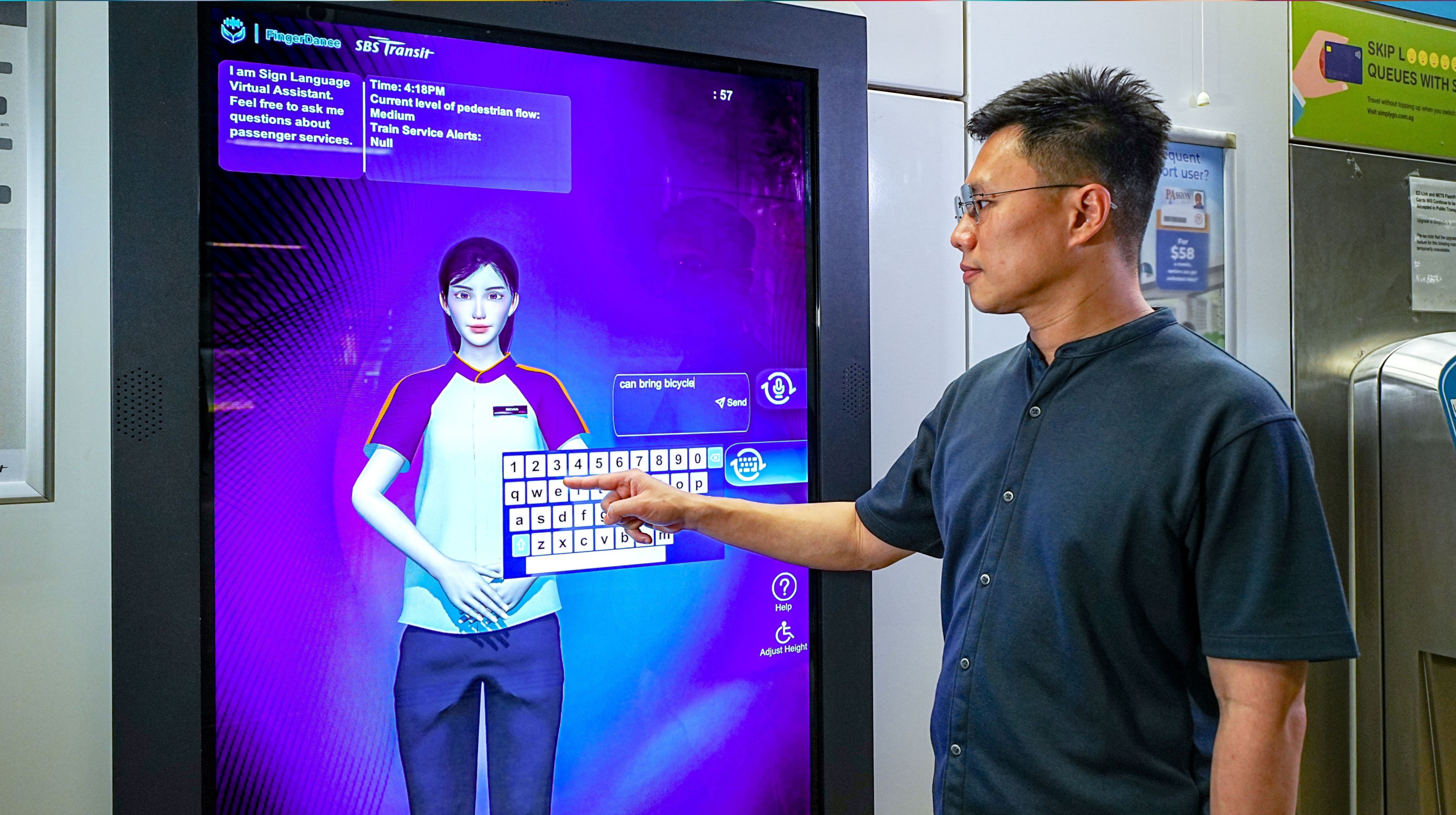
One example is SiLViA, our Sign Language Virtual Assistant that uses advanced speech recognition technology to translate spoken and written words into sign language, offering real-time support for passengers with impaired hearing. Developed by ComfortDelGro’s subsidiary, SBS Transit, SiLViA is deployed at Chinatown Station on Singapore’s North East Line.
Another is AIVA, our Artificial Intelligence Virtual Assistant, an AI-powered digital concierge, that provides commuters with real-time travel information including route planning, service updates and fare details. Currently deployed at the Ang Mo Kio Bus Interchange and the Punggol Coast Station on the North East Line, AIVA was recognised with top honours at the Asian Experience Awards.
These initiatives, driven by MINNOVA, our mobility innovation hub, demonstrate what is possible when transport operators collaborate with PTAs, technology partners and disability organisations to design solutions that meaningfully enhance independence, confidence and accessibility across public transport networks worldwide.
“You don’t just introduce a new tool or technology, for its own sake. You adapt it to real customer needs if you want to make every journey a delightful one.”
Alongside digital tools, analogue and human-led solutions remain equally important.
The “Find Your Way” initiative, developed with Dementia Singapore, features colour-coded murals and floor markings with familiar imagery to help persons with dementia navigate transport nodes safely and independently. Rolled out at selected MRT stations and bus interchanges, the programme demonstrates how thoughtful design can reduce anxiety, build confidence and allow vulnerable passengers to travel independently.
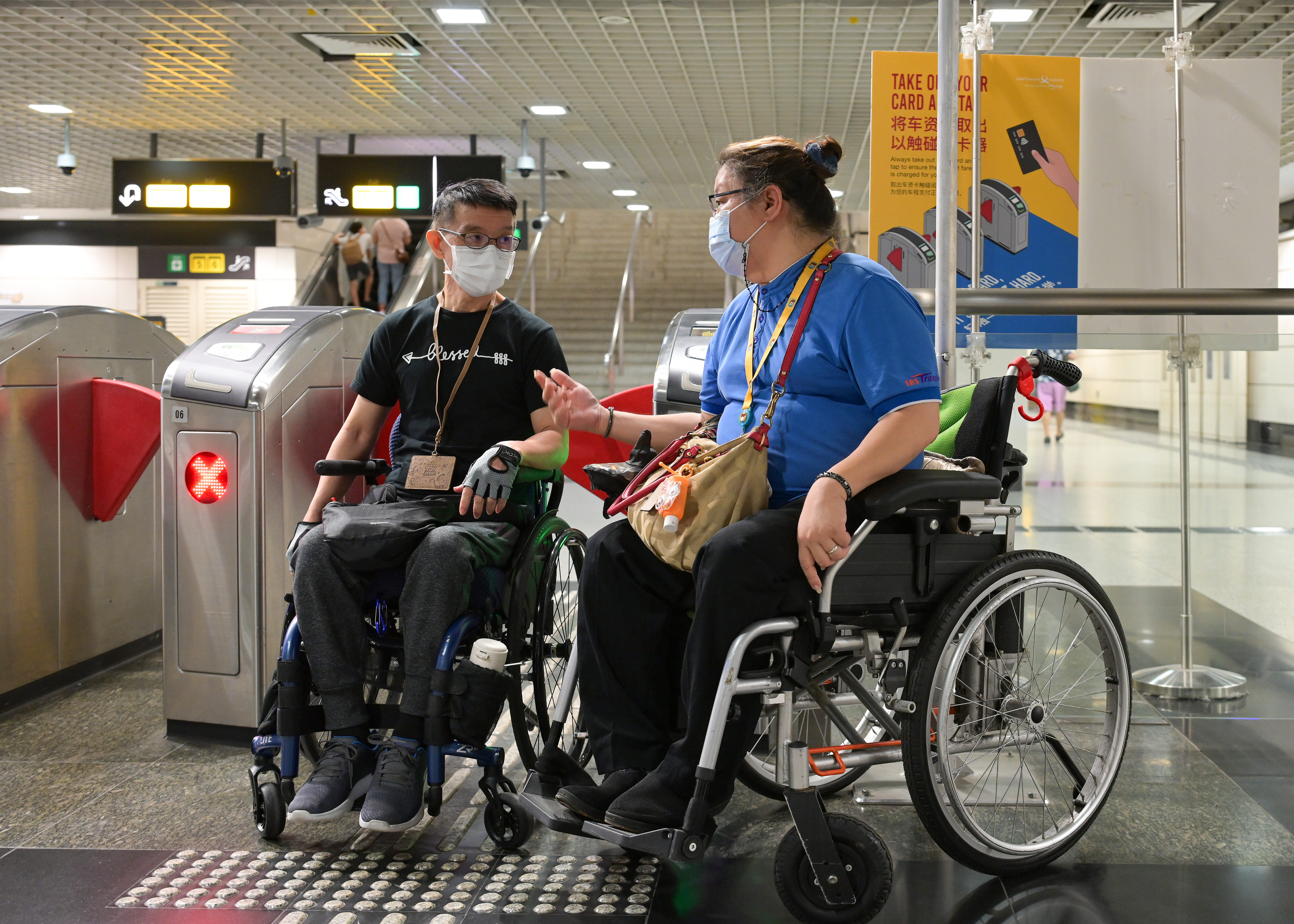
Similarly, the Travel Buddy programme delivered in collaboration with SPD (Society for the Physically Disabled), trains staff to accompany persons with disabilities or mobility challenges, helping them to familiarise with their routes.
In addition, sensory kits – including earmuffs, visual timers and tactile tools – are available at some Mass Rapid Transit stations to support passengers with autism during their journeys.
Public transport as a driver of social impact
Globally, PTAs and governments increasingly recognise that public transport is not just a means of moving people. It is a mechanism for strengthening social equity, improving access to opportunity and shaping more connected, vibrant communities. Stations that double as community hubs, multimodal ecosystems that reduce car dependency, and networks that prioritise accessibility all contribute to healthier, more liveable cities.
ComfortDelGro’s work with PTAs internationally reinforces this broader narrative: when customer excellence is embedded into the operating model, public transport becomes a catalyst for social inclusion and urban vitality.
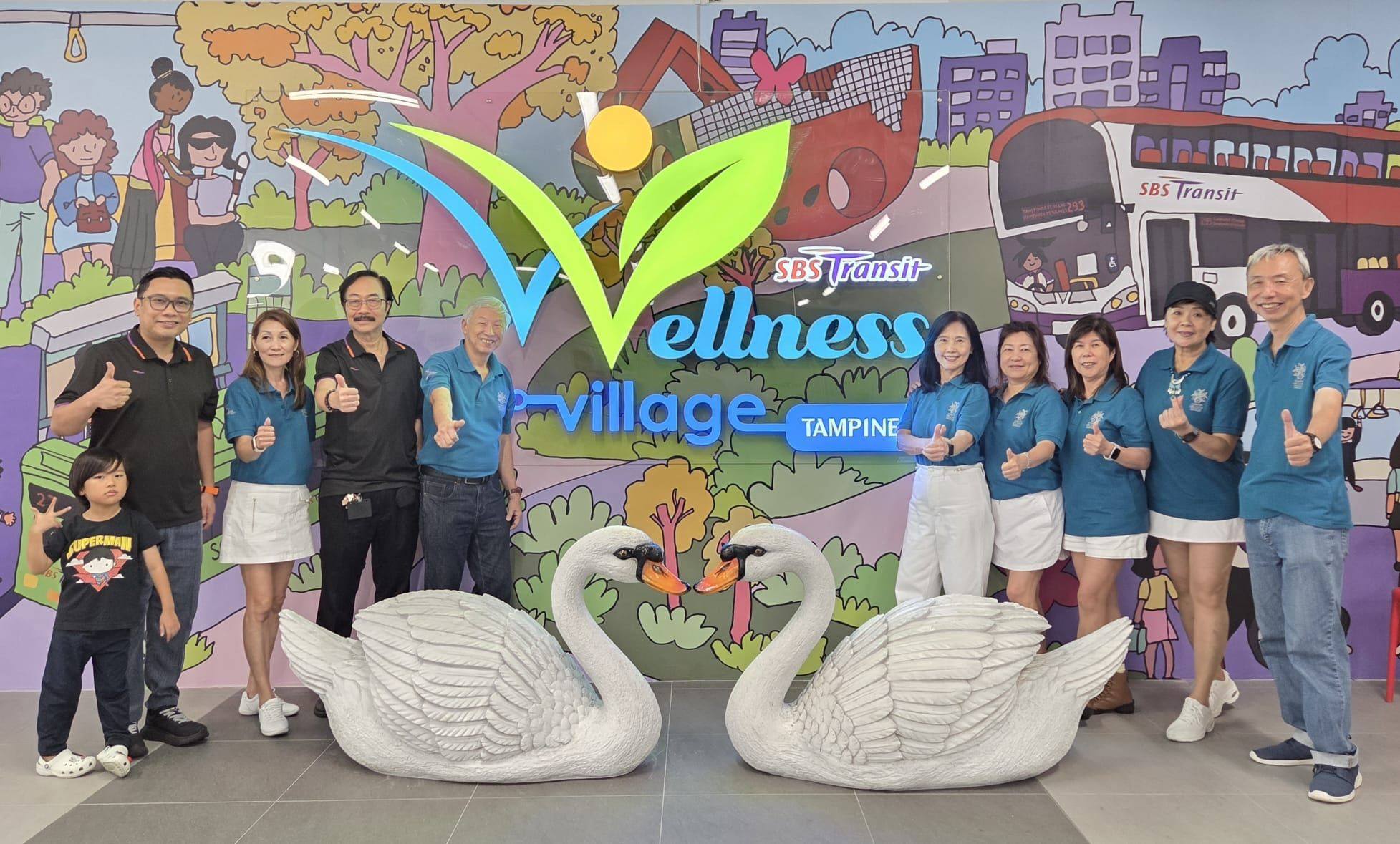
This thinking is reflected in the “Village” concept piloted by SBS Transit in Singapore, which reimagines transport nodes as modern‑day community spaces tailored to local needs — from a Wellness Village that integrates health into daily commutes, to a Digital Village that supports innovation and an upcoming Bike Village that encourages active mobility and first‑ and last‑mile connectivity.
By turning transport nodes into places for connection and participation, public transport plays an active role in strengthening communities, not just moving them.
A global mandate, locally delivered
The “Singapore experience” is not something that can simply be exported wholesale, nor should it be. Its value lies in the principles that underpin it – principles that can be adapted to cities with very different challenges and sociospatial dynamics.
“The Singapore experience is not just a plug-and-play,” says Sauve. “It is guided by principles, then adapted to the local realities. That’s what makes it relevant and transferable.”
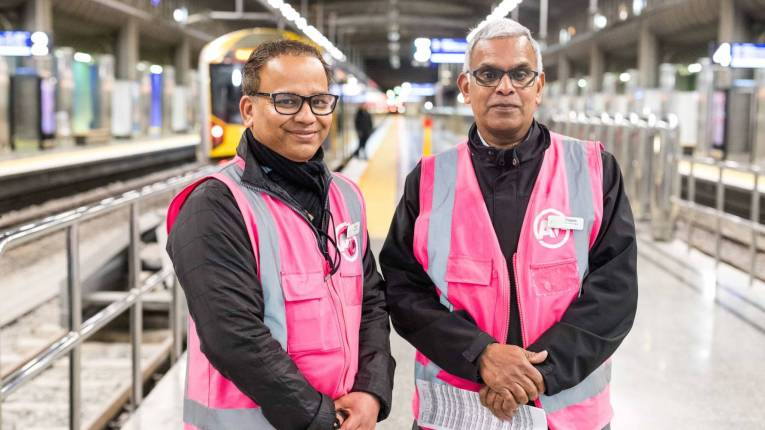
To illustrate how these principles translate into real-world impact, Auckland offers a clear example of CARES – localised as Manaaki – driving measurable improvements when applied thoughtfully within a new cultural and operational context.
Introduced in 2021, Manaaki draws on the Māori concept of care, respect, hospitality and generosity, embedding these values into frontline service delivery across Auckland One Rail. By the third quarter of 2023, more than 430 customer-facing employees have completed the CARES/Manaaki training.
This translated into tangible improvements in customer experience. According to Auckland Transport’s Public Transport Customer Quarterly Survey, overall customer satisfaction rose by 1.3 percentage points to 93.6%. Over the same period, the average complaint ratio fell from 15.7 to 10.6 per 100,000 passengers. The number of compliments received also reached a year-to-date high in August 2023.
Together, these outcomes reinforce that CARES is not only transferable but genuinely impactful – strengthening customer experience when adapted with cultural sensitivity and operational rigour.
Looking ahead
For operators, policymakers, and communities, around the world, the mandate is clear: when customer experience is treated as a strategic capability, every journey can become a step towards a more connected, inclusive and equitable future.
This article is part of a multi-part series on ComfortDelGro’s rail operations.
To find out more about our rail services and capabilities, please visit: https://www.comfortdelgro.com/businesses/our-expertise/rail/